
Exploring the psychology behind casino gaming What keeps players coming back
The Allure of Risk and Reward
One of the most compelling aspects of casino gaming is the thrill associated with taking risks. Many players are drawn to the prospect of winning big, and this anticipation fuels their desire to return. The psychology of risk-taking is deeply ingrained in human behavior; it produces adrenaline and can create a sense of euphoria. Casinos capitalize on this by designing games that entice players to engage in risk with the promise of substantial rewards. Additionally, exploring the top 10 online casinos australia can provide insights into how these elements are leveraged in various settings.
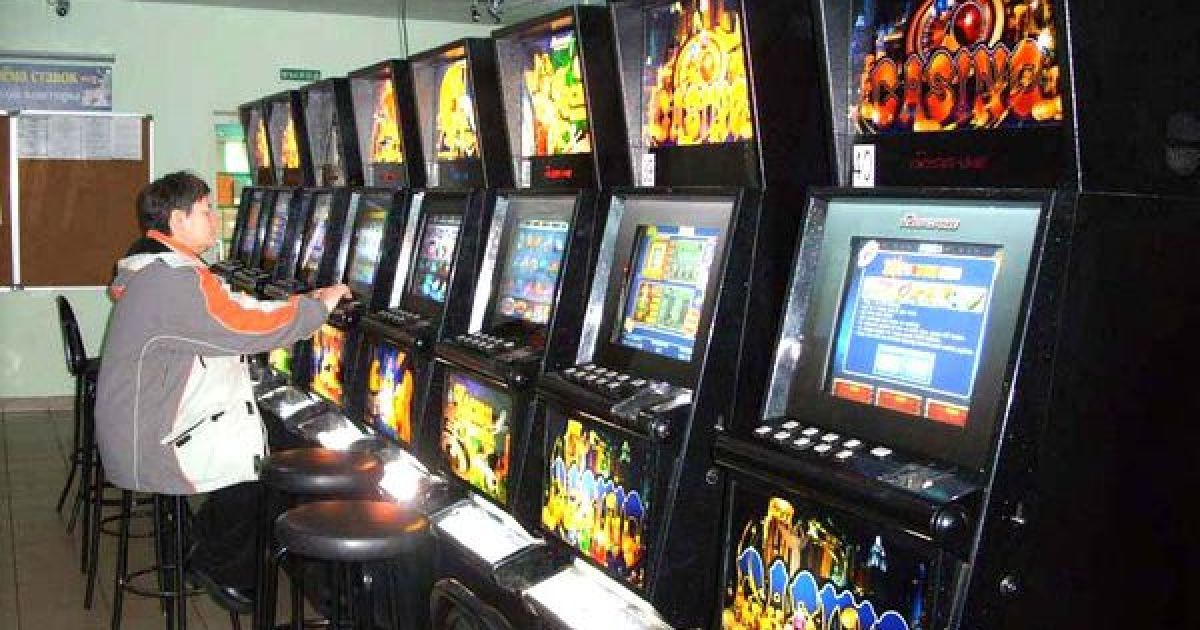
The chance of winning, even if it’s slim, keeps players hopeful and optimistic. This cycle of risk and reward activates the brain’s reward system, releasing dopamine that contributes to feelings of pleasure. For many, the high stakes of gambling create an addictive loop where players continually seek out the next big win.
The Role of Social Interaction
Another significant factor that encourages players to return to casinos is the social environment. Many gaming experiences happen in a communal space where players can interact with one another. This social aspect of gambling fosters a sense of belonging and camaraderie, as individuals share their experiences, strategies, and emotions while playing. The ability to connect with other players enhances the enjoyment of the game and leads to repeat visits.
Casinos often foster this social interaction through events, tournaments, and promotions, encouraging players to return not just for the games, but for the relationships they develop. This community engagement can make the overall experience more satisfying, providing players with a reason to keep coming back, aside from merely seeking financial rewards.
The Impact of Design and Atmosphere
The physical design of a casino plays an integral role in attracting and retaining players. From the layout of the gaming floor to the lighting and decor, casinos are meticulously designed to create an inviting and stimulating atmosphere. Bright lights, appealing colors, and engaging sounds are deliberately orchestrated to enhance the gaming experience and keep players immersed.
This carefully crafted environment influences the psychology of the players. The lack of windows and clocks in many casinos creates a sense of timelessness, making players lose track of time while they play. This design strategy reinforces the idea of “just one more game,” as players feel compelled to stay longer in pursuit of their next win.
Understanding the Gambler’s Fallacy
The gambler’s fallacy is a cognitive bias that often affects players at a casino. This psychological phenomenon leads individuals to believe that future probabilities are influenced by past events. For example, a player may think that because a slot machine hasn’t paid out in a while, it is “due” for a win. Such misconceptions can drive players to gamble again and again in hopes of hitting a streak of luck.
This fallacy provides a false sense of control over randomness and can be a powerful motivator for players. Despite the odds being statistically independent, the belief that patterns exist can lead to repeated visits to the casino as players chase a perceived inevitable payout.
)
New Horizons Learning Centres: Empowering Your Future
At New Horizons Learning Centres, we focus on empowering individuals through education and skill development. Our extensive programming provides opportunities for personal and professional growth, including training solutions tailored for those interested in various fields. We believe that understanding the psychology of various industries, including gaming and gambling, can enhance decision-making and strategic thinking.
Join us to explore our wide range of courses designed to sharpen your skills and expand your career opportunities. With expert instructors and a commitment to quality education, we are here to help you unlock your potential and achieve your goals in today’s competitive environment.